DevOps90DaysChallenge

I am a software engineer (Cloud /DevOps Enthusiast. Talks about DevOps | AWS | Docker | Linux | Jenkins | Git | Terraform | Technical Blogger).I have a strong ability to troubleshoot and resolve issues, and are consistently motivated to expand the knowledge and skills through exploration of new technologies.
Hi 👋there,
Now we are on the Day 11 task
(Linux and Github Cheatsheet)
Checkout the below link for Day 11 task:
https://github.com/LondheShubham153/90DaysOfDevOps/blob/master/2023/day12/tasks.md

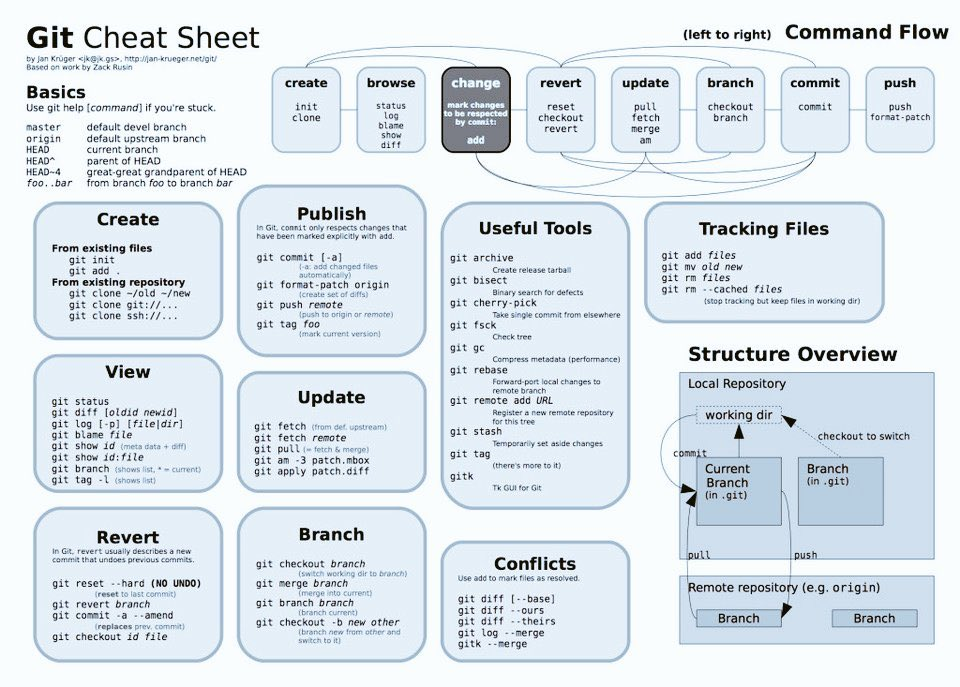
Here is a basic Git cheat sheet for common Git commands:
Initialize a new Git repository:
git initCheck the status of your repository:
git statusAdd changes to the staging area:
git add <file>orgit add.(to add all changes)Commit changes:
git commit -m "Commit message"Push changes to a remote repository:
git push <remote> <branch>Pull changes from a remote repository:
git pull <remote> <branch>Create a new branch:
git branch <branch name>Switch to a different branch:
git checkout <branch name>Merge branches:
git merge <branch to merge>View commit history:
git logUndo local changes:
git checkout -- <file>Revert to a previous commit:
git revert <commit hash>Clone a remote repository:
git clone <repository URL>Reset to a specific commit:
git reset <commit hash>Delete a branch:
git branch -d <branch name>
This is a basic list of Git commands.
Linux Cheat Sheet
Here is a basic Linux cheatsheet for common Linux commands:
ls – The most frequently used command in Linux to list directories
pwd – Print working directory command in Linux
cd – Linux command to navigate through directories
mkdir – Command used to create directories in Linux
mv – Move or rename files in Linux
cp – Similar usage as mv but for copying files in Linux
rm – Delete files or directories
touch – Create blank/empty files
ln – Create symbolic links (shortcuts) to other files
cat – Display file contents on the terminal
clear – Clear the terminal display
echo – Print any text that follows the command
less – Linux command to display paged outputs in the terminal
man – Access manual pages for all Linux commands
name – Linux command to get basic information about the OS
whoami – Get the active username
tar – Command to extract and compress files in Linux
grep – Search for a string within an output.
head – Return the specified number of lines from the top
tail – Return the specified number of lines from the bottom
diff – Find the difference between two files
CMP – Allows you to check if two files are identical
comm – Combines the functionality of diff and cmp
sort – Linux command to sort the content of a file while outputting
export – Export environment variables in Linux.
zip – Zip files in Linux
unzip – Unzip files in Linux
ssh – Secure Shell command in Linux
service – Linux command to start and stop services
ps – Display active processes
kill and kill all – Kill active processes by process ID or name
df – Display disk filesystem information
mount – Mount file systems in Linux
chmod – command to change file permissions
chown – Command for granting ownership of files or folders
ifconfig – Display network interfaces and IP addresses
traceroute – Trace all the network hops to reach the destination
wget – Direct download files from the internet
apt, Pacman, yum, rpm – Package managers depending on the distro
sudo – Command to escalate privileges in Linux
ls -l - list
This is a basic list of linux commands.

Please, feel free to drop any questions in the comments below. I would be happy to answer them.
If you find this post helpful😊🙂, please follow and click the heart❤❤ button below to show your support.
_ Thank you for reading
_sandhya kumari


